Get a chance for excited offers - Review us on Trustpilot
0330 088 3383

Menu

Treatments

Available Treatments
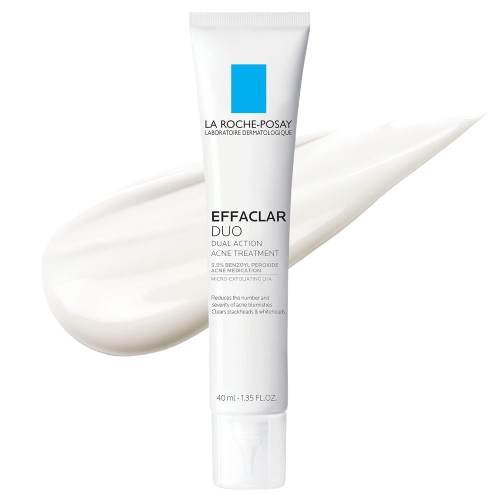
La Roche-Posay
Sunscreen

La Roche-Posay is a dermatologist-recommended skincare brand known for its gentle yet effective formulas. Enriched with soothing thermal spring water, its products are designed to support sensitive skin, treat acne, protect from sun damage, and hydrate without irritation.

Prices start from £15.99 Prices and product information
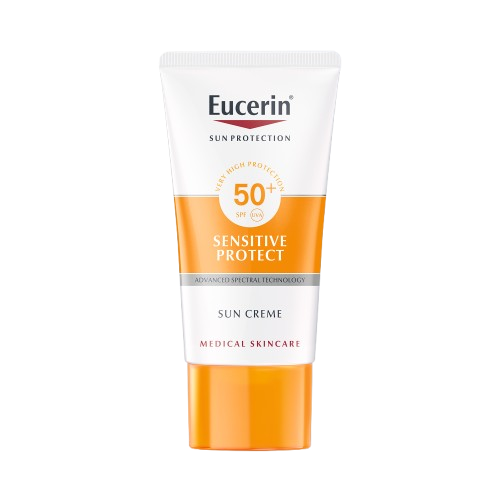
Eucerin Sensitive Protect
Sunscreen

Eucerin Sensitive Protect is a gentle, fragrance-free sunscreen for sensitive skin. It provides high UVA/UVB protection and helps prevent sun damage and irritation.

Prices start from £18.99 Prices and product information
Ultra Sun Stick
Sunscreen

Ultra Sun Stick – A convenient, pocket-sized sun protection stick designed for quick and easy application. Provides reliable UVA/UVB defense, ideal for sensitive skin and daily outdoor use.

Prices start from £13.99 Prices and product information

Sunscreen

Sunscreen is a protective skincare product designed to shield the skin from harmful ultraviolet (UV) rays, including UVA and UVB radiation. Regular use helps prevent sunburn, premature aging, and reduces the risk of skin cancer. Available in both chemical and mineral formulations, sunscreen is an essential part of daily skin protection, regardless of weather or skin tone. Choosing a broad-spectrum sunscreen with at least SPF 30 and applying it properly ensures effective defense against sun damage and supports long-term skin health.

Topics

What is Sunscreen?
Sunscreen is a topical product designed to protect the skin from the harmful effects of ultraviolet (UV) radiation from the sun. Regular use helps prevent sunburn, premature aging, and reduces the risk of skin cancer. Sunscreens come in creams, lotions, gels, sprays, and sticks with varying sun protection factors (SPF).

Why is Sunscreen needed?
Sunscreen is needed because exposure to UV rays can damage skin cells, leading to sunburn, dark spots, wrinkles, and increased risk of skin cancer. People with fair skin, a history of sunburns, or high sun exposure are at higher risk and benefit most from sunscreen use.

How does Sunscreen work?
Sunscreen works by either reflecting or absorbing UV radiation. Physical sunscreens contain ingredients like zinc oxide or titanium dioxide that block UV rays, while chemical sunscreens absorb UV light and convert it into harmless heat, preventing skin damage.

How is the need for Sunscreen determined?
The need for sunscreen is assessed based on skin type, daily sun exposure, geographic location, and individual risk factors for UV damage. Dermatologists may recommend specific SPF levels and formulations suitable for sensitive or acne-prone skin.

What are the treatments using Sunscreen?
Treatment involves applying sunscreen regularly to exposed skin areas before sun exposure. Reapplication is needed every 2–3 hours or after swimming or sweating. Sunscreen can be combined with protective clothing, hats, and sunglasses for maximum protection.

Are there alternative ways to protect from UV rays?
Alternative measures include wearing wide-brimmed hats, UV-protective clothing, sunglasses, seeking shade, and avoiding sun exposure during peak hours (10 a.m.–4 p.m.). Some natural oils offer minimal sun protection but should not replace sunscreen.

What are the side effects of Sunscreen?
Sunscreen is generally safe, but some people may experience skin irritation, redness, or allergic reactions. Using non-comedogenic formulations can prevent clogged pores or breakouts, especially in sensitive or acne-prone skin.

Why is Sunscreen important?
Sunscreen is important because UV radiation causes skin damage, premature aging, and increases the risk of skin cancer. Regular sunscreen use protects skin health, maintains an even skin tone, and reduces long-term UV-related harm.