Daktarin (15g) is an antifungal cream used to manage fungal infections like athlete’s foot, ringworm, and yeast infections.
Prices start from £6.99 Prices and product information
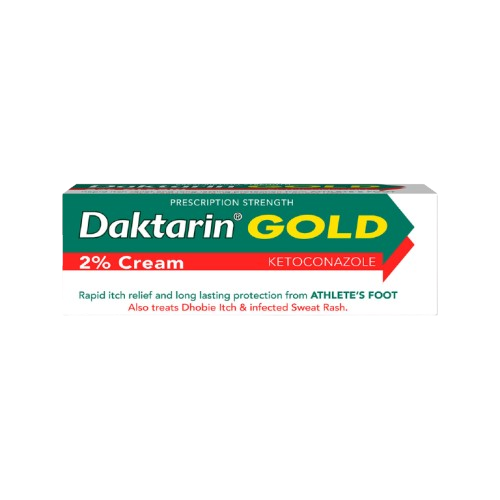
Daktarin Gold is an antifungal and anti-inflammatory cream used for fungal infections with irritation or inflammation, such as athlete’s foot and ringworm.
Prices start from £9.00 Prices and product information
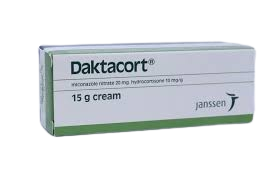
Daktacort Cream is a combination antifungal and corticosteroid cream used to treat inflamed fungal skin infections, such as athlete’s foot, ringworm, and jock itch.
Prices start from £4.50 Prices and product informationSevere skin fungal infections occur when fungal growth spreads deeply or widely across the skin, leading to intense redness, itching, swelling, cracks, or painful sores. These infections may not respond to standard creams alone and often require stronger prescription antifungal treatments or oral medication. Early medical attention is important to prevent complications and promote faster healing.
What are Severe Skin (Fungal) Infections?
Severe skin fungal infections are widespread or deep fungal infections that affect the skin, sometimes extending to nails or other tissues. They can cause intense itching, redness, scaling, rashes, blisters, and discomfort. Severe infections may also lead to secondary bacterial infections if left untreated.
What causes Severe Skin (Fungal) Infections?
These infections are caused by overgrowth of fungi such as dermatophytes, Candida, or other pathogenic fungi. Risk factors include weakened immunity, uncontrolled diabetes, prolonged use of antibiotics or corticosteroids, excessive sweating, poor hygiene, and living in warm, humid environments.
How do Severe Skin (Fungal) Infections work?
Fungal spores invade the skin and feed on keratin in the outer layers. In severe cases, the infection spreads extensively or penetrates deeper into the skin. The body’s immune response triggers inflammation, redness, and itching, which can worsen if the infection is untreated.
How are Severe Skin (Fungal) Infections diagnosed?
Diagnosis is made through physical examination, patient history, and sometimes lab tests such as skin scrapings, fungal cultures, or biopsy to identify the type of fungus and severity of the infection.
What are the treatments for Severe Skin (Fungal) Infections?
Treatment typically involves prescription-strength topical antifungal creams or ointments. In extensive or resistant cases, oral antifungal medications are required. Maintaining proper hygiene, keeping affected areas dry, and avoiding sharing personal items are also important.
Are there alternative treatments for Severe Skin (Fungal) Infections?
Alternative treatments may include natural antifungal remedies such as tea tree oil, coconut oil, or aloe vera, along with lifestyle measures like wearing breathable clothing, keeping skin dry, and avoiding humid environments. These can help support medical treatment.
What are the side effects of Severe Skin (Fungal) Infections?
Severe fungal infections can cause intense itching, redness, swelling, blistering, pain, cracking, and sometimes secondary bacterial infections. If untreated, they may become chronic and affect quality of life.
Why do Severe Skin (Fungal) Infections happen?
Severe fungal infections happen when fungi overgrow due to a weakened immune system, uncontrolled chronic conditions, poor hygiene, or prolonged exposure to warm and humid conditions. Delayed treatment or misuse of medications can worsen the severity.