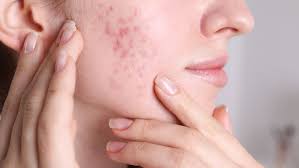
Acne is a common skin condition that occurs when hair follicles become clogged with oil and dead skin cells. It can cause blackheads, whiteheads, pimples, or deeper cysts, often appearing on the face, chest, or back. While not dangerous, acne can be uncomfortable and affect confidence. With proper skincare, medical treatments, and lifestyle changes, acne can be effectively managed and controlled.
What is Acne?
Acne is a common skin condition that occurs when hair follicles become clogged with oil, dead skin cells, and bacteria. It often appears as pimples, blackheads, whiteheads, or cysts on the face, chest, back, and shoulders. Acne can range from mild to severe and may cause scarring if untreated.
What causes Acne?
Acne is caused by a combination of factors including excess sebum (oil) production, clogged hair follicles, bacterial growth (particularly Propionibacterium acnes), and inflammation. Hormonal changes, stress, diet, genetics, and certain medications can also contribute to acne development.
How does Acne work?
Acne develops when pores become blocked by excess oil and dead skin cells. Bacteria multiply in these blocked pores, triggering inflammation and the formation of pimples, cysts, or nodules. The severity of acne depends on the level of blockage, bacterial activity, and inflammation.
How is Acne diagnosed?
Acne is diagnosed based on physical examination of the skin and assessment of symptoms such as pimples, blackheads, whiteheads, and cysts. A healthcare provider may also evaluate contributing factors like hormone levels, diet, and skincare routine. Severe or unusual acne may require further investigation.
- What are the treatments for Acne?
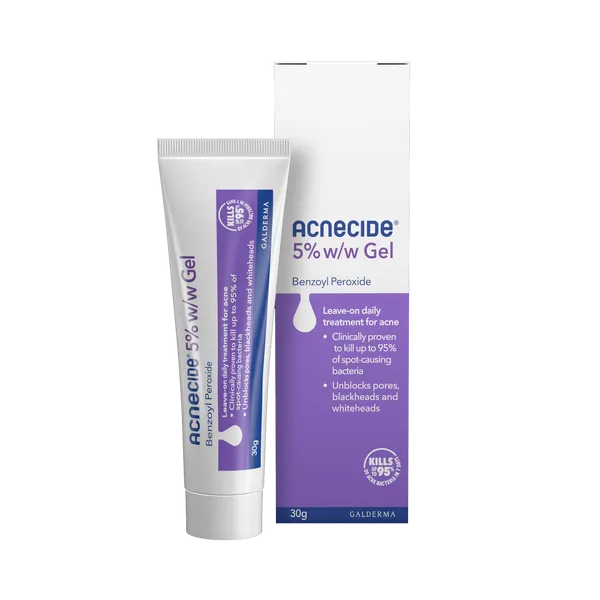
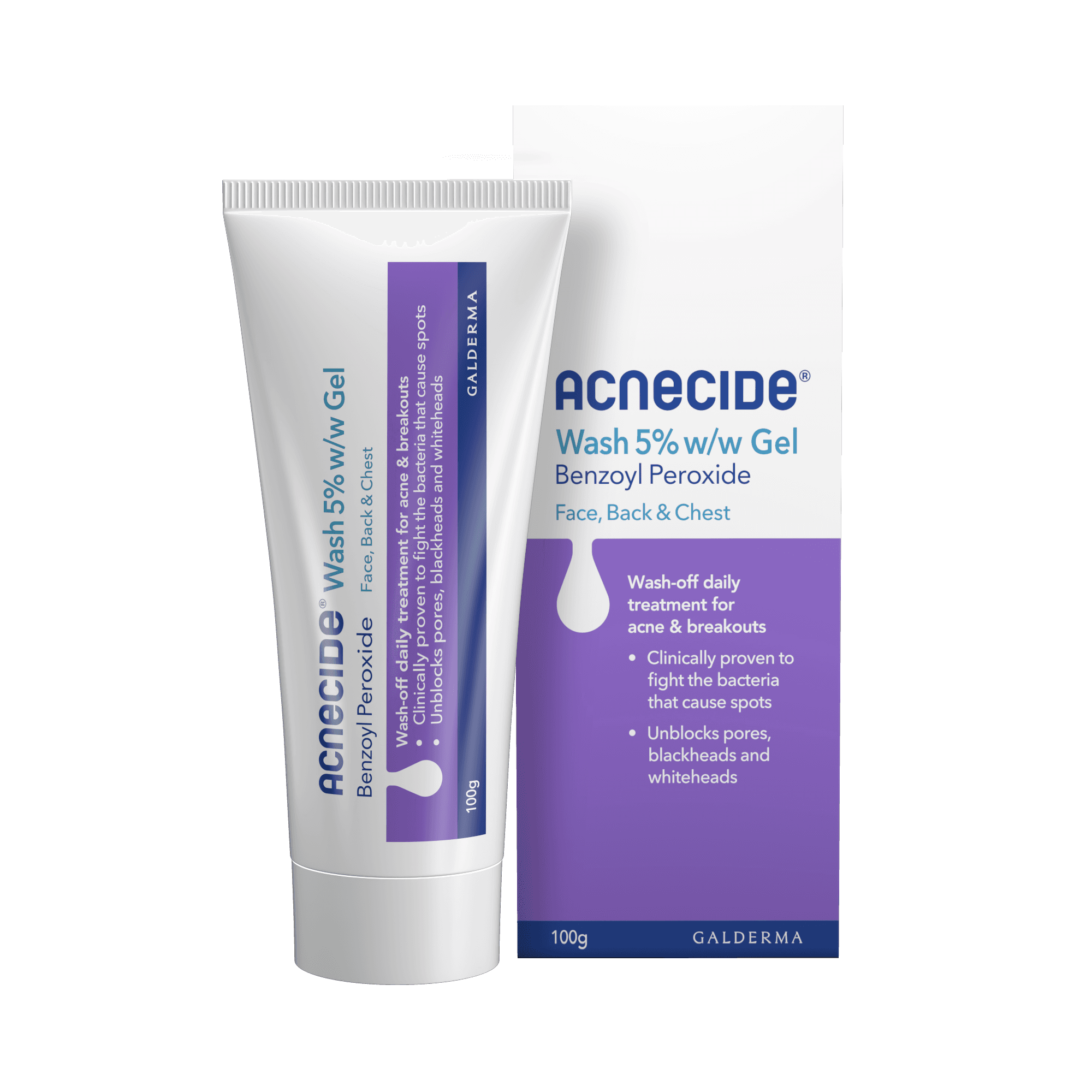
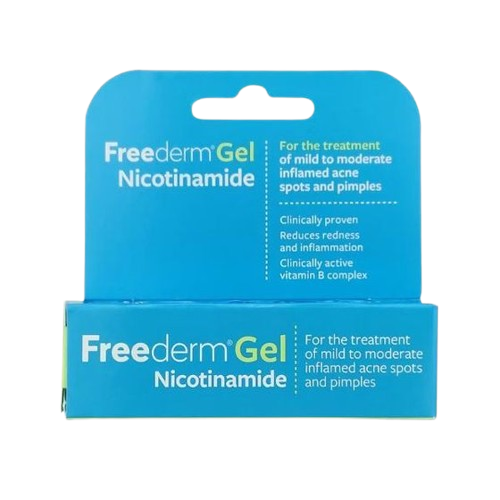
Treatment aims to reduce oil production, fight bacteria, unclog pores, and reduce inflammation. This may include: - Topical treatments (benzoyl peroxide, salicylic acid, retinoids)
- Oral antibiotics or hormonal therapy for severe cases
- Skincare routines tailored for acne-prone skin
- Professional procedures such as chemical peels or laser therapy
Are there alternative treatments for Acne?
Alternative treatments include natural remedies like tea tree oil, aloe vera, green tea extracts, or honey masks. Maintaining a balanced diet, proper hydration, and gentle skincare practices can also support acne management. These methods are usually complementary to conventional treatments.
What are the side effects of Acne?
Acne itself can cause inflammation, redness, scarring, and psychological stress. Treatments may cause dryness, irritation, peeling, or sensitivity, especially with topical medications. Oral medications may have systemic side effects, so supervision by a healthcare provider is recommended.
Why does Acne happen?
Acne happens due to the blockage of pores by oil and dead skin cells, bacterial growth, and inflammation. Hormonal fluctuations, stress, diet, genetics, and environmental factors can increase the likelihood of developing acne, especially during adolescence and young adulthood.