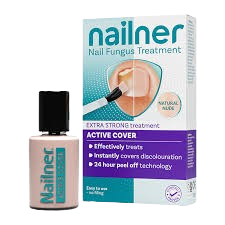
Maintaining proper nail hygiene is essential in managing fungal nail infections. Modern treatments not only target the infection but also help conceal discoloration and damage, allowing nails to look healthier during recovery. These dual-action solutions provide both cosmetic coverage and antifungal treatment, supporting clear and strong nails over time.
What is Nail Hygiene and Fungal Nail Infection Care?
Nail hygiene refers to practices that keep nails clean, healthy, and free from infections. Fungal nail infections (onychomycosis) occur when fungi invade the nail plate or bed, causing discoloration, thickening, brittleness, and discomfort. Proper nail hygiene helps prevent infections, and combined care can both conceal cosmetic issues and treat the underlying fungal problem.
Why is Nail Hygiene and Treatment Needed?
Poor nail hygiene, excessive moisture, wearing tight shoes, trauma to the nail, or exposure to fungal spores can lead to fungal nail infections. Once infection occurs, the nail may appear discolored, thick, or brittle. Concealment may be desired for cosmetic reasons while treatment addresses the infection.
How does Nail Hygiene and Fungal Nail Infection Care Work?
Good nail hygiene involves keeping nails trimmed, clean, and dry. Antifungal treatments (topical or oral) target the fungi causing the infection, while concealment products (like medicated nail polishes or cosmetic nail covers) can improve appearance during the treatment process. This dual approach manages both health and aesthetics.
How is the need for Nail Hygiene and Fungal Nail Infection Treatment Determined?
Diagnosis involves inspecting the nails for signs of fungal infection—discoloration, thickening, brittleness—and sometimes performing nail scrapings or fungal cultures to confirm the infection type. A professional assessment ensures appropriate treatment.
What are the treatments for Fungal Nail Infections?
- Topical antifungal creams or medicated nail lacquers applied to the infected nail.
- Oral antifungal medications for severe or resistant infections.
- Laser therapy to target fungal growth.
- Nail hygiene practices including trimming, cleaning, and keeping nails dry.
- Cosmetic concealment using nail polishes or covers that allow the nail to look healthy while treatment works.
Are there alternative treatments for Fungal Nail Infections?
Alternative approaches may include natural antifungal remedies such as tea tree oil, coconut oil, vinegar soaks, or essential oils, combined with maintaining dry and ventilated nails. These methods support the main treatment but are less effective alone for severe infections.
What are the side effects of Nail Hygiene and Fungal Nail Treatments?
Side effects may include temporary nail discoloration, mild irritation, redness, or burning at the application site. Oral antifungals may rarely cause liver issues or gastrointestinal discomfort. Poor hygiene without treatment can worsen infection or spread it to other nails.
Why is Nail Hygiene and Fungal Nail Infection Treatment Needed?
Proper nail hygiene and treatment are needed because fungal infections can persist, worsen, and affect nail appearance and function. Concealment helps improve confidence while effective treatment addresses the infection, prevents spreading, and restores healthy nails.