Lemsip is a fast-acting medicine that helps relieve cold and flu symptoms like headache, fever, sore throat, and congestion.
Prices start from £4.50 Prices and product information

Beechams is a fast-acting medicine that relieves common cold and flu symptoms such as headache, fever, and nasal congestion.
Prices start from £3.48 Prices and product information
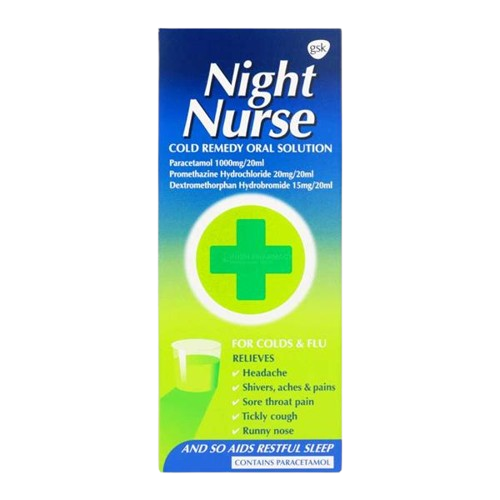
Night Nurse is a fast-acting medicine that relieves cold and flu symptoms like cough, headache, fever, and nasal congestion, helping you rest and recover overnight.
Prices start from £8.40 Prices and product information
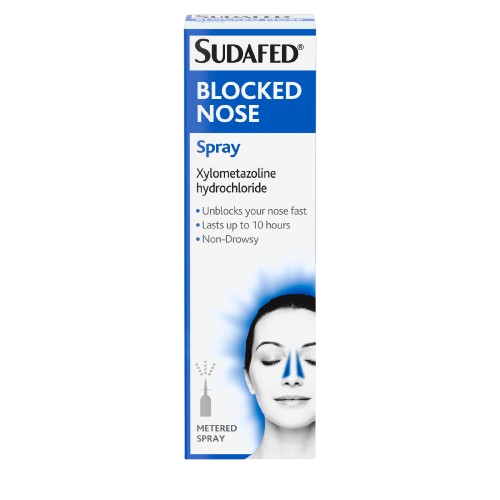
Sudafed is a fast-acting medicine used to relieve nasal congestion caused by colds, allergies, or sinus infections. It helps clear blocked noses, making breathing easier.
Prices start from £4.70 Prices and product information

Day Nurse Tablet is an over-the-counter cold and flu relief medicine that helps reduce symptoms like headache, fever, sore throat, and blocked nose during the day without causing drowsiness.
Prices start from £8.90 Prices and product information
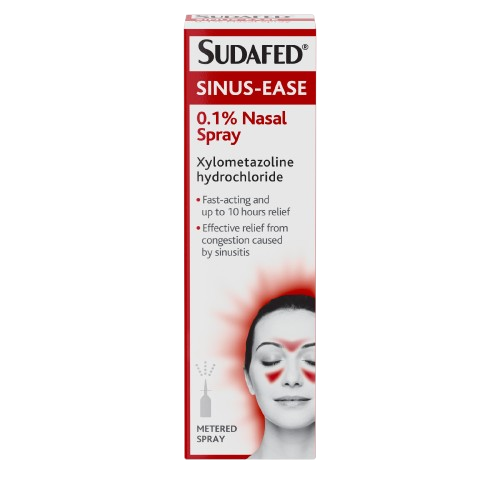
Breathe easy with Sudafed Sinus-Ease Spray – fast relief from sinus pressure and blocked nose, helping you feel clear and refreshed within minutes.
Prices start from £4.70 Prices and product information

A powerful medicine that relieves sinus pressure, headaches, and nasal congestion fast, helping you breathe easier and feel better.
Prices start from £4.50 Prices and product information

Sudafed Sinus Pressure and Pain provides fast relief from sinus pressure, headaches, and nasal congestion, helping you breathe easier and feel better throughout the day.
Prices start from £5.50 Prices and product information

Congestion & Headache Relief (Day & Night) tablets provide fast relief from blocked nose, headaches, and cold symptoms – keeping you clear and comfortable during the day, and helping you rest at night.”
Prices start from £5.99 Prices and product informationInfluenza, commonly known as the flu, is a contagious viral infection that primarily affects the respiratory system, including the nose, throat, and lungs. Caused by influenza viruses—mainly types A and B—it spreads easily from person to person, especially during seasonal outbreaks. Symptoms typically appear suddenly and can include fever, chills, sore throat, muscle aches, fatigue, and cough. While many cases resolve without complications, the flu can lead to serious illness or death, particularly in young children, older adults, pregnant women, and individuals with weakened immune systems or chronic health conditions. Annual vaccination remains the most effective way to prevent influenza and reduce its severity.
What is Influenza?
Influenza, commonly known as the flu, is a contagious respiratory illness caused by influenza viruses. It affects the nose, throat, and lungs and can range from mild to severe illness. In some cases, influenza can lead to serious complications, especially in young children, elderly individuals, pregnant women, and people with weakened immune systems.
What causes Influenza?
Influenza is caused by influenza viruses that spread easily from person to person. The infection mainly occurs through respiratory droplets released when an infected person coughs, sneezes, or talks. It can also spread by touching contaminated surfaces and then touching the mouth, nose, or eyes.
How does Influenza work?
Influenza occurs when the virus enters the body through the nose, mouth, or eyes and infects the respiratory tract. The virus multiplies rapidly, triggering the immune system’s response, which leads to symptoms such as fever, cough, body aches, and fatigue.
How is Influenza diagnosed?
Influenza is diagnosed based on symptoms, medical history, and physical examination. In some cases, doctors may use laboratory tests such as rapid influenza tests or PCR tests to confirm the infection, especially in severe or high-risk patients.
What are the treatments for Influenza?
Treatment focuses on relieving symptoms and preventing complications. This may include antiviral medications, rest, adequate fluid intake, and fever-reducing or pain-relieving medicines. Severe cases may require hospital care.
Are there alternative treatments for Influenza?
Alternative treatments aim to support recovery and ease symptoms. These may include warm fluids, steam inhalation, herbal teas, honey for cough relief, and vitamin supplements, when recommended by a healthcare provider.
What are the side effects of Influenza?
Influenza can cause fever, chills, headache, muscle pain, fatigue, cough, sore throat, and nasal congestion. In some cases, it may lead to complications such as pneumonia or worsening of existing medical conditions.
Why does Influenza happen?
Influenza happens due to the rapid spread of influenza viruses, especially during seasonal outbreaks. Factors such as weakened immunity, close contact in crowded places, and lack of vaccination increase the risk of infection.