Get a chance for excited offers - Review us on Trustpilot
0330 088 3383

Menu

Treatments

Available Treatments

Anusol Cream
Haemorrhoids

Anusol is a medication used to relieve pain, itching, and swelling caused by hemorrhoids and other anal discomforts. It helps soothe and reduce inflammation for fast relief.

Prices start from £4.60 Prices and product information
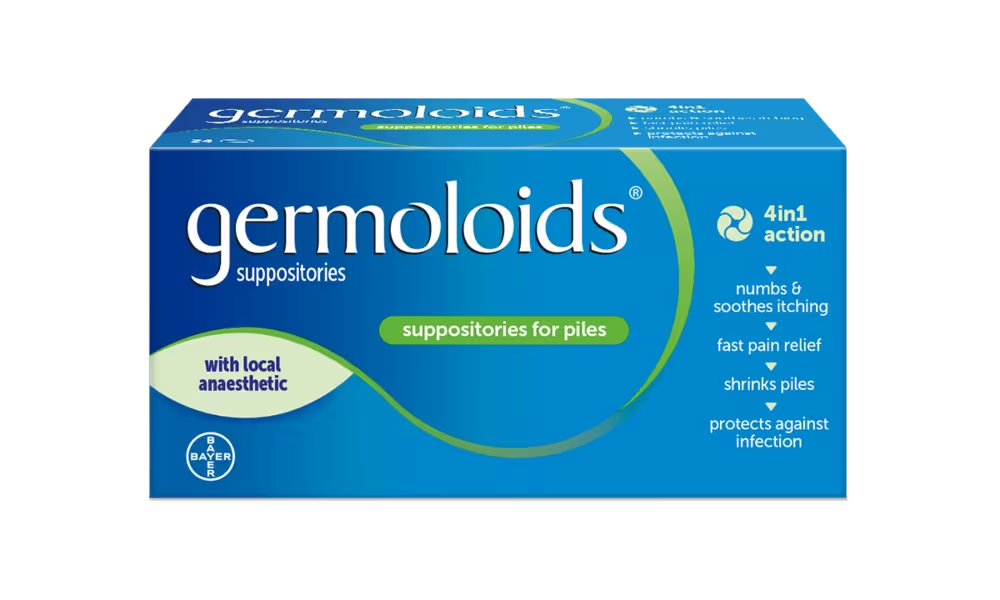
Germoloids
Haemorrhoids

Germoloids is a fast-acting treatment for relieving pain, itching, and swelling caused by hemorrhoids. It soothes irritation and helps reduce inflammation for quick comfort.

Prices start from £6.60 Prices and product information
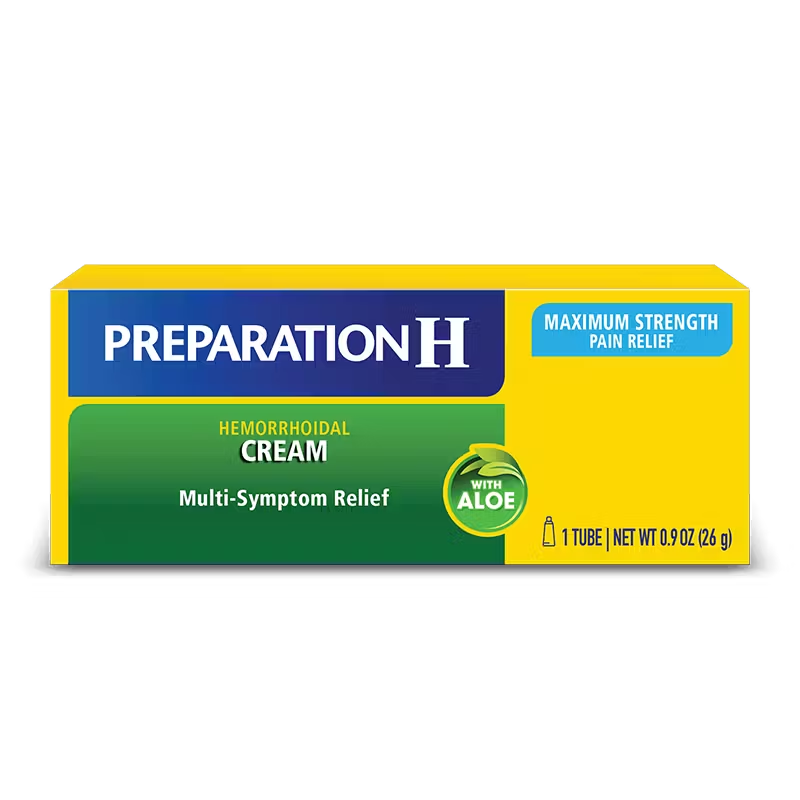
Preparation H
Haemorrhoids

Preparation H is a topical treatment used to relieve symptoms of hemorrhoids, including pain, itching, and swelling. It helps soothe and reduce inflammation for faster comfort and healing.

Prices start from £5.00 Prices and product information
Scheriproct
Haemorrhoids

Scheriproct is a prescription medication used to relieve symptoms of hemorrhoids and anal inflammation. It reduces pain, swelling, and itching to promote healing and comfort.

Prices start from £19.00 Prices and product information
Anusol HC Ointment (30g)
Haemorrhoids

A medicated ointment with hydrocortisone that helps relieve pain, itching, and swelling caused by hemorrhoids and anal irritation, providing soothing comfort and healing support.

Prices start from £14.00 Prices and product information

Haemorrhoids

Haemorrhoids, also known as piles, are swollen veins in the lower rectum or anus that cause discomfort, itching, pain, and sometimes bleeding during bowel movements. They can develop due to increased pressure from straining, constipation, pregnancy, or prolonged sitting. Although common and often treatable with lifestyle changes and medications, severe cases may require medical procedures. Proper diet, hydration, and avoiding straining can help prevent haemorrhoids and ease symptoms.

Topics

What are haemorrhoids?

Haemorrhoids (also known as piles) are swollen blood vessels in or around the anus and lower rectum. They are very common and can cause discomfort, itching, pain, and bleeding. Although haemorrhoids can be uncomfortable, they are usually easy to treat and manage.

What causes haemorrhoids?

  1. Haemorrhoids can be caused by increased pressure in the lower rectum, including:
  2. Straining during bowel movements.
  3. Chronic constipation or diarrhoea.
  4. Sitting on the toilet for long periods.
  5. Pregnancy and childbirth.
  6. Being overweight or obese.
  7. A low-fibre diet.
  8. These factors can weaken and swell the blood vessels in the rectal area.

How do haemorrhoids develop?

When pressure increases in the veins around the anus, the blood vessels can swell and stretch. Over time, this causes the veins to become enlarged and inflamed, leading to haemorrhoids. They can be internal (inside the rectum) or external (under the skin around the anus).

How are haemorrhoids diagnosed?

Haemorrhoids are usually diagnosed based on your symptoms and a simple physical examination. Your doctor may examine the area and, if needed, perform a gentle internal examination to check for internal haemorrhoids. Further tests are only needed if symptoms suggest another condition.

What treatments are available for haemorrhoids?

  1. Treatment depends on the severity and may include:
  2. Creams and ointments to reduce pain, itching, and swelling
  3. Suppositories for internal haemorrhoids
  4. Pain relief medicines
  5. Treatments to shrink or remove haemorrhoids in more severe cases
  6. These treatments help relieve symptoms and promote healing.

Lifestyle and self-care options

  1. Simple lifestyle changes can help prevent and manage haemorrhoids, including:
  2. Eating a high-fibre diet
  3. Drinking plenty of fluids
  4. Avoiding straining during bowel movements
  5. Exercising regularly
  6. Avoiding sitting for long periods

Are there side effects?

Haemorrhoid treatments may cause mild irritation or discomfort at the application site. If symptoms worsen or bleeding continues, you should seek medical advice.

Why is it important to treat haemorrhoids?

Treating haemorrhoids can relieve pain, itching, and bleeding, and improve comfort and quality of life. Early treatment can also help prevent complications and reduce the risk of recurrence.