Stopping smoking means quitting the use of tobacco products to break free from nicotine addiction. It is a crucial step toward improving health and reducing the risk of serious diseases such as lung cancer, heart disease, and respiratory conditions. Although quitting can be challenging due to physical cravings and habitual behaviors, effective methods like nicotine replacement, medications, and counseling can support success. The benefits of quitting begin almost immediately and continue to grow, leading to better lung function, cardiovascular health, and overall quality of life.
What is Stop Smoking?
Stop Smoking refers to the process of quitting the use of tobacco products, particularly cigarettes. It is aimed at improving overall health, reducing the risk of chronic diseases, and enhancing quality of life. Successfully quitting smoking can prevent lung, heart, and other tobacco-related illnesses.
Why do people smoke?
People smoke due to nicotine addiction, social influences, stress relief, habits, or emotional triggers. Over time, nicotine creates dependency by stimulating brain reward pathways, making quitting difficult.
How does quitting smoking work?
Quitting smoking works by breaking the body’s dependence on nicotine. When a person stops smoking, the body gradually clears nicotine and toxins, the brain chemistry adjusts, and the lungs and cardiovascular system start to recover, reducing the risk of smoking-related illnesses.
How is smoking habit assessed?
Smoking habits are assessed through discussions about frequency, duration, type of tobacco used, and previous quit attempts. Healthcare providers may also evaluate nicotine dependence using questionnaires like the Fagerström Test for Nicotine Dependence.
What are the treatments to help stop smoking?
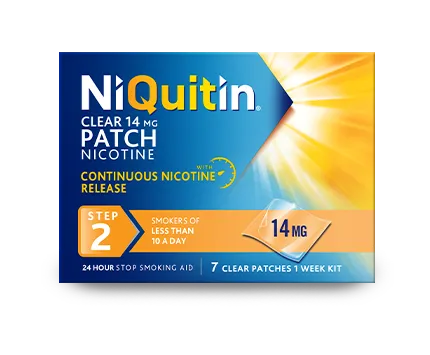
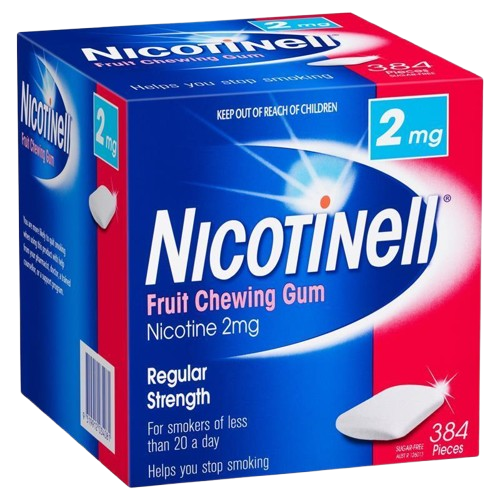
Treatment focuses on supporting the quitting process and managing withdrawal symptoms. Options include nicotine replacement therapies (patches, gums, lozenges), prescription medications, behavioral counseling, support groups, and mobile apps to track progress.
Are there alternative treatments to help stop smoking?
Alternative treatments can complement conventional methods. These include acupuncture, hypnotherapy, mindfulness meditation, herbal remedies, and relaxation techniques to reduce cravings and stress.
What are the side effects of quitting smoking?
Quitting smoking can cause temporary withdrawal symptoms such as irritability, anxiety, increased appetite, cravings, insomnia, and mood swings. These symptoms usually improve over time as the body adjusts to nicotine-free living.
Why is it important to stop smoking?
Stopping smoking is important because tobacco use causes serious health problems including lung cancer, heart disease, stroke, respiratory illnesses, and reduced immune function. Quitting smoking improves overall health, life expectancy, and quality of life while reducing harm to others from secondhand smoke.