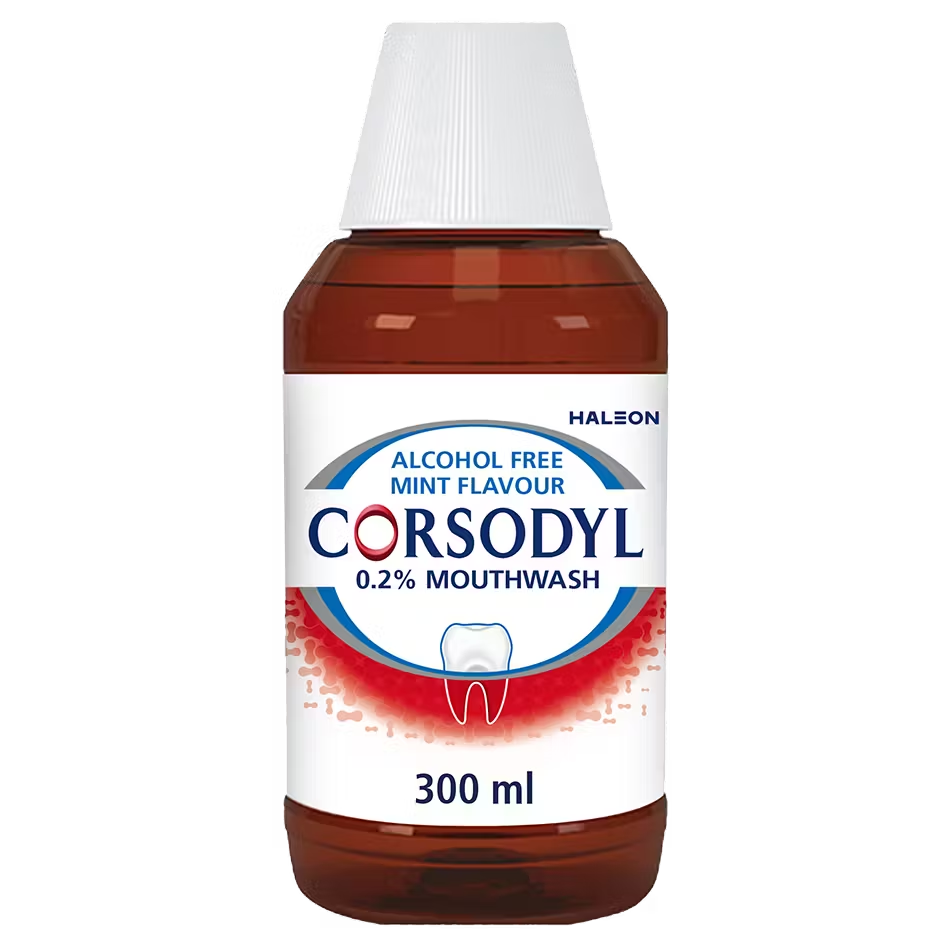
Dental hygiene involves the daily practices and professional care aimed at maintaining healthy teeth, gums, and mouth. Good dental hygiene helps prevent common oral problems like tooth decay, gum disease, and bad breath. Regular brushing, flossing, and dental check-ups are essential to keep your smile healthy and support overall wellbeing. Proper oral care not only improves appearance but also plays a key role in preventing infections and systemic health issues.
What is dental hygiene?
Dental hygiene refers to the care and practices that help keep your teeth, gums, and mouth clean and healthy. Good dental hygiene helps prevent tooth decay, gum disease, bad breath, and other oral health problems. Maintaining proper dental hygiene is essential for both oral health and overall wellbeing.
What causes poor dental hygiene?
- Poor dental hygiene can develop due to a combination of habits and health-related factors, including:
- Infrequent or improper brushing and flossing.
- High sugar or acidic diets that promote tooth decay.
- Skipping regular dental check-ups and cleanings.
- Smoking or using tobacco products.
- Dry mouth, which can increase the risk of cavities and gum disease.
Poor dental hygiene can lead to plaque buildup, which increases the risk of long-term dental and gum problems.
How does dental hygiene affect your oral health?
When plaque (a sticky film of bacteria) builds up on your teeth, it produces acids that damage tooth enamel and irritate the gums. Over time, this can lead to cavities, gum inflammation (gingivitis), and more serious gum disease (periodontitis). Good dental hygiene removes plaque and helps protect your teeth and gums.
How are dental hygiene problems identified?
- Dental hygiene issues are usually identified during routine dental check-ups. Your dentist or dental hygienist may:
- Examine your teeth and gums
- Check for plaque, tartar, and cavities
- Assess gum health and bleeding
- Take X-rays if needed to detect hidden decay or bone loss
- Regular check-ups help catch problems early before they become more serious.
What treatments are available for dental hygiene problems?
- Treatment depends on the condition of your teeth and gums and may include:
- Professional dental cleaning to remove plaque and tartar
- Fillings for cavities
- Treatments for gum disease
- Fluoride treatments to strengthen enamel
- Advice on improving brushing and flossing techniques
- These treatments help restore and maintain good oral health.
Lifestyle and self-care options
- Daily oral care plays a key role in maintaining dental hygiene, including:
- Brushing twice a day with fluoride toothpaste
- Flossing or using interdental brushes daily
- Limiting sugary foods and drinks
- Drinking plenty of water
- Avoiding smoking and tobacco products
Are there side effects?
Dental treatments may sometimes cause mild, temporary side effects such as tooth sensitivity or gum soreness. These usually settle quickly. If symptoms persist, you should speak to your dentist.
Why is good dental hygiene important?
Good dental hygiene helps prevent pain, tooth loss, gum disease, and bad breath. It also supports overall health, as poor oral health has been linked to heart disease and other medical conditions. Treating and maintaining dental hygiene can improve confidence and quality of life.