Get a chance for excited offers - Review us on Trustpilot
0330 088 3383

Menu

Treatments

Available Treatments
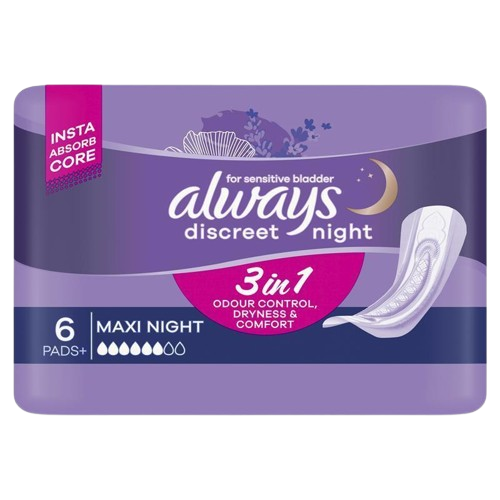
Always Discreet
Incontinence

Always Discreet offers discreet, absorbent pads and underwear designed for women experiencing bladder leaks. They provide comfort, odor control, and protection throughout the day.

Prices start from £4.98 Prices and product information
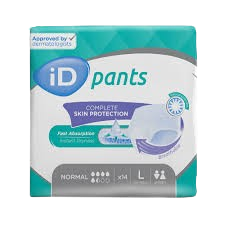
iD Pants
Incontinence

iD Pants are discreet, pull-up incontinence pants designed for moderate to heavy bladder leaks. They offer a comfortable fit, secure protection, and odour control for daily or overnight use.

Prices start from £4.99 Prices and product information
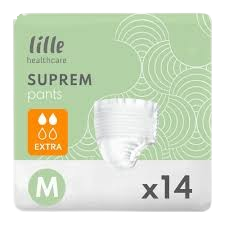
Lille
Incontinence

Lille offers discreet and absorbent incontinence products, including pants and pads, designed for comfort, skin protection, and reliable leak control for both men and women.

Prices start from £2.00 Prices and product information
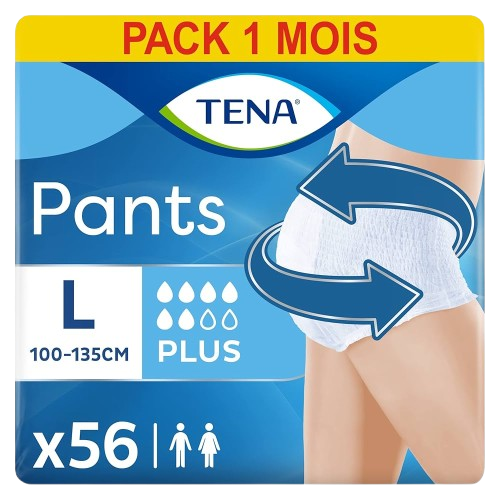
TENA Pants Plus Large
Incontinence

TENA Pants Plus Large: Soft, discreet, and highly absorbent pull-up pants that provide reliable protection against leaks, keeping you comfortable and confident all day.

Prices start from £8.00 Prices and product information

Incontinence

Mild incontinence refers to the occasional, unintentional leakage of small amounts of urine, often triggered by activities such as coughing, sneezing, laughing, or physical exertion. It is a common and manageable condition that can affect both men and women, particularly with aging, childbirth, or pelvic floor weakness. Although not typically serious, mild incontinence can impact daily comfort and confidence. With proper management — including lifestyle changes, pelvic floor exercises, and bladder training — most individuals can significantly reduce or eliminate symptoms and maintain an active, independent lifestyle.

Topics

What is incontinence?
Incontinence is the involuntary loss of urine or bowel control. It can affect adults of any age and may cause embarrassment, discomfort, or lifestyle limitations. Incontinence can be temporary or chronic depending on the underlying causes.

  1. What causes incontinence?
    Incontinence can result from a variety of factors, including physical, medical, or lifestyle-related causes:
  2. Physical causes: Weak bladder muscles, nerve damage, or injury.
  3. Medical conditions: Diabetes, obesity, multiple sclerosis, Parkinson’s disease, prostate problems, or urinary tract infections.
  4. Lifestyle factors: Pregnancy, childbirth, aging, or certain medications.

How does incontinence happen?
Incontinence occurs when the muscles or nerves controlling the bladder or bowel are unable to function properly. For urinary incontinence, signals from the bladder may be overactive or underactive, leading to unexpected leakage. In fecal incontinence, the anal sphincter muscles may be weakened or damaged, causing accidental stool loss.

How is incontinence diagnosed?
Diagnosis typically involves a combination of physical examinations, medical history, and specialized tests such as urine analysis, bladder scans, or urodynamic studies. Your doctor may also ask questions about the frequency, urgency, and triggers of incontinence to determine its type and severity.

What treatments are available for incontinence?
Treatment depends on the type and severity of incontinence:

Lifestyle changes: Bladder training, pelvic floor exercises, fluid management.

Medications: Drugs that relax or strengthen bladder muscles.

Devices: Catheters, absorbent pads, or protective underwear.

Surgery: Procedures to support bladder or bowel function in severe cases.

Are there alternative treatments for incontinence?
Some people benefit from complementary approaches such as biofeedback, electrical stimulation, acupuncture, or herbal therapies. These methods can help improve muscle control and reduce symptoms, often in combination with conventional treatments.

What are the side effects of incontinence products or medications?
Some medications may cause dry mouth, constipation, or dizziness. Improper use of absorbent products can lead to skin irritation, rashes, or infections. Maintaining hygiene and following medical advice can help minimize side effects.

Why does incontinence happen in older adults?
Aging can weaken bladder and pelvic muscles, reduce hormone levels, and affect nerve function. These changes increase the likelihood of both urinary and fecal incontinence. Proper care, exercises, and treatments can significantly improve quality of life.