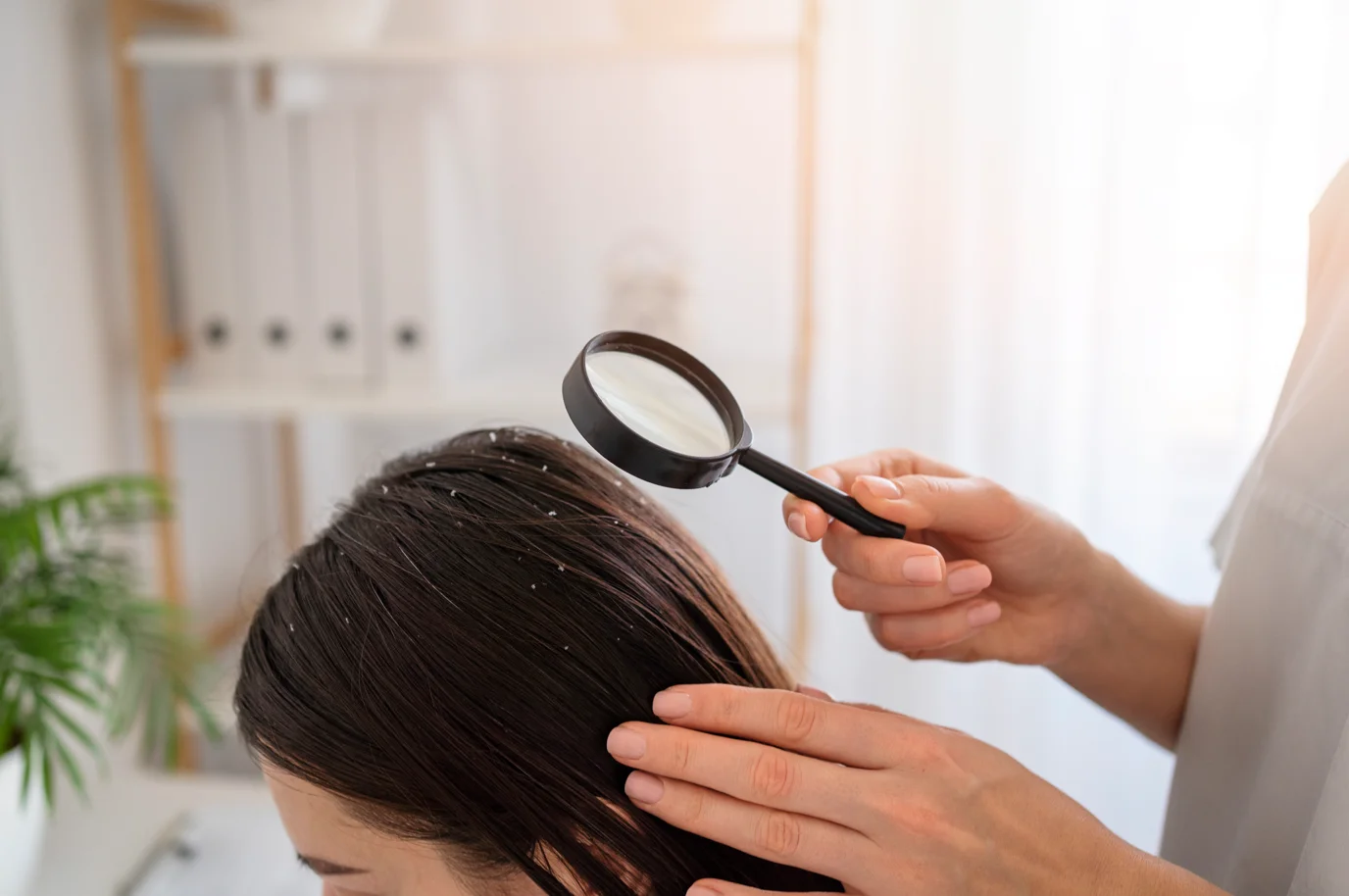
Dandruff is an unpleasant ailment that makes our skin flake and irritates our scalp. It causes itchy skin and a dry scalp, which can have an impact on hair development and scalp health.
But is hair loss impacted by dandruff? Hair thinning and shedding can be caused by dandruff. Fortunately, dandruff usually only causes transient hair loss. In actuality, dandruff seldom results in irreversible hair loss. Let us investigate why this occurs.
Essential Information
Although dandruff can not result in permanent hair loss, the intense and persistent itching can alter the environment of the scalp, which may hinder the growth of healthy hair.
Dandruff symptoms might exacerbate a few dermatological and scalp disorders. If you have any of these symptoms, we strongly advise seeing a doctor.
Can Dandruff Lead to Hair Thinning?
In summary, the answer is "yes," however hair thinning is not directly caused by dandruff.
You may be more susceptible to hair thinning if you have moderate to severe dandruff that irritates your scalp. This is due to the fact that we usually can not resist scratching our irritated skin. Over-scratching can harm our scalp and inflame our hair follicles, which can impede hair growth and result in thinning hair.
Steer clear of hairstyles that pull your hair, such as a high ponytail, and overbrushing. These may exacerbate dandruff-related hair loss and thinning.
Can Dandruff Lead to Permanent Hair Loss?
Dandruff typically does not result in long-term hair loss. Strong itching can harm the scalp, but as the scalp heals, hair can come back, thus this usually does not result in permanent hair loss.
The symptoms of dandruff might exacerbate a few dermatological and scalp disorders. Among these circumstances are:
-
Pattern baldness in men
-
Pattern baldness in women
-
Areata Alopecia
-
Effluvium telogen
-
Seborrheic dermatitis
-
Scalp infections caused by bacteria or fungi
Dandruff may make your hair loss worse if you have one of the aforementioned conditions. If you are worried about dandruff interacting with a pre-existing medical condition, it is crucial to contact your doctor or other healthcare provider.
What Type of Dandruff Causes Hair Loss?
Dandruff comes in various forms. We may discover that our dandruff is greasy but goes away right away following treatment, or we may find that it is really dry and recurs multiple times a year. However, what impact do the various forms of dandruff have on hair loss?
Fungal Dandruff
A fungal infection such as ringworm or an overabundance of the yeast Malassezia, which is a component of the scalp's natural microbiome, are typically the causes of fungal dandruff.
Any portion of the body, including the scalp, can have ringworm, a red or gray circular rash. In certain instances, it may even result in bald patches and weak, brittle hair. It frequently causes flaky skin and a dry scalp.
Ringworm must be treated right away. In addition to being uncomfortable, it spreads easily.
Seborrheic dermatitis, a kind of chronic eczema, is one scalp disease that can lead to an overgrowth of Malassezia. Additionally, it can cause scalp disorders like Malassezia folliculitis, which is an inflammatory yeast infection on hair follicles. These ailments may exacerbate scalp irritation and hinder hair development.
Hair loss can result from fungal dandruff, but it is typically transient. Dandruff and the resulting hair loss usually go away if the fungal infection is treated.
Chronic Dandruff
Seborrheic dermatitis is one chronic illness that can occasionally be the cause of dandruff. A skin ailment is considered chronic if it is likely to recur. While there is currently no cure for severe dandruff, your doctor or other healthcare provider may recommend strategies to reduce discomfort and stop hair loss, such as using medicated shampoo and maintaining a balanced diet.
Wet Dandruff
One kind of scalp ailment caused by oil accumulation on the scalp is wet dandruff. Wet dandruff results in yellow and greasy flakes on the scalp rather than dry, scaly skin and white flakes.
Wet dandruff is frequently caused by an underlying dermatological problem. In other cases, genetic or environmental factors could be the culprit. Wet dandruff on the scalp can occur for a number of causes, including:
-
Seborrheic dermatitis.
-
Greasy, crusty spots on our scalps are a symptom of psoriasis, an inflammatory skin illness.
-
Not doing enough hair washing.
-
An oily scalp by nature.
Wet dandruff can cause discomfort and inflammation, but it does not immediately cause hair loss. As with dry dandruff, severe scratching brought on by wet dandruff can lead to thinning and hair loss. If you are suffering from significant hair loss due to dandruff, it is crucial to consult a healthcare provider.
Excessive Dandruff
A dry, scaly scalp and a few flakes that fall from the scalp to the shoulders are signs of mild to moderate dandruff.
When we have severe dandruff, our scalp feels crusty and raw. This kind of dandruff frequently does not react to common over-the-counter remedies and can cause persistent irritation. Your dermatologist may recommend the following to stop hair loss and more scalp damage:
-
Topical drugs, such as a topical steroid lotion for your scalp.
-
antifungal drug that can be used topically or taken orally.
-
A solution that you can frequently apply to your scalp and leave overnight for a while.
-
To determine the cause of your dandruff, it is crucial to consult your doctor or other healthcare expert. You may even discover that another skin problem, such as psoriasis, eczema, allergies, or an inflammatory disease, is the source of excessive or persistent dandruff.
Treatment for Hair Loss Caused by Dandruff
The kind and intensity of your dandruff will typically determine the course of treatment for hair loss. The following are some general suggestions for avoiding dandruff-related hair loss:
-
Washing your hair on a regular basis will keep your scalp clean and moisturized.
-
Make an effort to lessen your tension.
-
Eat a balanced diet to ensure you are getting all the vitamins and nutrients your hair needs.
-
Steer clear of harsh chemicals and irritating hair products (such bleach or some hair colors).
-
Steer clear of pull-your-hair tight haircuts.
Get some sunlight. One of the best ways to manage dandruff is to spend time outside. Wear sunscreen on your face and other body areas that are exposed to direct sunlight at all times.
Anti-Dandruff and Hair Loss Shampoo
One common remedy for hair loss caused by dandruff is anti-dandruff shampoo. These shampoos relieve dry, itchy scalps and other dandruff problems. Additionally, this can lessen irritation and excessive itching.
-
You can also see less hair loss after using anti-dandruff shampoo.
-
Hair care solutions such as Nioxin's Scalp Recovery System Kit can help combat flakiness and dry skin while restoring the natural balance of your scalp. Green tea extract is one of the active substances in the system kit that has antifungal and antibacterial qualities.
-
To lessen dandruff-related irritation and flaking, look for solutions that moisturize your hair and scalp.
-
Find out more about solutions for scalp and hair issues as well as hair loss treatments. Our selection of treatments and products is designed to help people with thinning hair get thicker, fuller-looking hair.